Thứ Hai, 4 tháng 10, 2021

Southeast Asia Travel News | Update October 5th

Southeast Asia Travel News | Update October 5th

Binh Dinh plans to welcome back domestic tourists next month | Vietnam

Authorities in Binh Dinh Province may welcome back domestic visitors to its isolated peninsula next month while Phu Quoc Island has allowed tourist destinations and accommodation facilities to reopen.
Read more

Malaysia could reopen in December | Malaysia
Once Malaysia hits the 90% mark for vaccinated residents, the country will reopen interstate travel, and Malaysians will no longer need to apply for the MyTravelPass scheme to travel overseas.
Read more

Now 7-day stay for Sandbox tourists from any country in the world | Thailand
The Tourism Authority of Thailand (TAT) would like to advise that under new quarantine regulations approved by the Royal Thai Government, fully vaccinated foreign tourists visiting Phuket, Surat Thani, Phang-Nga, and Krabi via the relevant sandbox programmes can now stay for only seven days before being able to move on to other parts of Thailand.
Read more

Indonesia’s Bali to reopen to some foreign tourists from mid-October
Indonesia will reopen its tourist island Bali for some international travellers, including those from China, New Zealand, and Japan, among others, from October 14.
Read more

Australian travel abroad coming soon with 7-day home quarantine from Thailand 

A news release issued today says Australian citizens will soon be able to travel and return home with just a 7-day quarantine period. The Australian Consul-General for Phuket says this is great news for Australia and for Thailand. He notes that Australians can now travel abroad knowing that they will be able to return home again and vows to Phuket that the Australians will be back soon.
Read more

The post Southeast Asia Travel News | Update October 5th appeared first on Luxury Travel's Blog.

Southeast Asia Travel News | Update October 4th

Southeast Asia Travel News | Update October 4th

Malaysia tourism players take travel bubble disruptions in their stride

Inbound tourism players in Malaysia have expressed support for cautious tourism reopening for the country, as authorities decide to indefinitely suspend a travel bubble for Tioman Island and Genting Highlands that was meant to set in on October.
Read more

Qantas ready for November restart
Qantas will bring forward the restart date for international flights to 14 November 2021.
Read more

Thai AirAsia resumes 20 routes

AirAsia increased flights and routes starting 1 October 2021, from its Don Mueang Airport home base.
Read more

Indonesia speeds up Bali reopening plans
Indonesia is increasing the pace towards reopening the island to international visitors, possibly as early as mid-October.
Read more

Vaccination drive accelerated in Pattaya to prepare for November reopening
The rollout of Covid-19 vaccinations is being accelerated in Pattaya to prepare for reopening in November. They expect more than 80% of the population in Pattaya will get fully vaccines by October 15.
Read more

Commercial railway transportation to resume from October 7
Việt Nam Railway Authority has issued a document asking for feedback from localities on the resumption of railway transportation while ensuring COVID-19 safety.
Read more

The post Southeast Asia Travel News | Update October 4th appeared first on Luxury Travel's Blog.

Thứ Sáu, 1 tháng 10, 2021

Southeast Asia Travel News | Update October 1

Southeast Asia Travel News | Update October 1

Phan Thiet to pilot reopening tourism from October 20 | Vietnam

Domestic tourists and foreigners living in Vietnam who meet safety criteria will be able to travel to Phan Thiet, the resort city of southern Binh Thuan province, from October 20.

Read more

Vietnam’s cave kingdom to welcome back vaccinated tourists in October | Vietnam
Quang Binh Province, dubbed Vietnam’s kingdom of caves, will welcome back vaccinated tourists from Oct. 1 as part of its tourism recovery plan.

Read more

With Covid under control, Da Nang reopens public beaches, hotels | Vietnam
Da Nang authorities have reopened public beaches though with some restrictions and allowed restaurants and hotels to open on Thursday.
Read more

Is Langkawi travel bubble the start of Malaysia’s broader travel reopening? | Malaysia
Malaysians can be forgiven for latching onto signs of better days ahead, having suffered through a wretched 2021.

Read more

Jetstar Asia plans to resume flights between Singapore and Darwin in December | Singapore
Jetstar Asia plans to resume its flights between Singapore and Darwin in mid-December, pending a travel corridor opening between Singapore and Australia, the airline said on Tuesday.

Read more

The post Southeast Asia Travel News | Update October 1 appeared first on Luxury Travel's Blog.

Thứ Ba, 14 tháng 9, 2021

Covid-19 Situation in Vietnam | Latest Update

Covid-19 Situation in Vietnam (Latest Update 14th September) 
As of September 14, 2021, Vietnam’s Ministry of Health confirmed a total of 624,547 cases of COVID-19. However, 385,778 of the affected patients have recovered and been discharged from hospitals. Vietnam has also recorded 15,660 deaths due to the pandemic. The latest community transmission cases have been reported from Ho Chi Minh City, Binh Duong, Dong Nai, Long An, and Tien Giang among others.

September 14

Ho Chi Minh City authorities extended social distancing guidelines under Directive 16 until September 30, however it plans to allow shippers to operate inter-district from September 16 to help in the delivery of food and essential goods.

September 13

Authorities in Ba Ria-Vung Tau relaxed some restrictions and reopened traditional markets in green zones and areas where Directive 15 is applied such as Chau Duc, Dat Do, Xuyen Moc, and Con Dao districts. Authorities plan further easing of restrictions from September 15 such as opening up businesses in essential businesses followed by semi-essential and non-essential goods.

September 12

From September 12, Hanoi is pushing to vaccinate adults from 18 years old. About 80% of the city’s 5.7 million adults have received at least one shot, with authorities aiming for 100% by the end of this week.

September 9

Ho Chi Minh City authorities allowed the resumption of take-away and food delivery from restaurants and eateries between 6:00 am and 6:00 pm from September 9 within each district. Eateries can only use online delivery services. The city has also allowed supermarkets, grocery stores, and pharmacies to open from 6:00 am to 9:00 pm.

Vietnam’s Immigration Department has announced another automatic stay extension for foreigners stranded in Vietnam due to the pandemic until September 30, 2021. The measure applies to those who entered since March 1, 2020, allowing them to leave the country without any penalty or official procedures. Those that have entered prior to March 1, 2020, are also eligible provided they show documents by their embassies or by Vietnamese authorities to confirm they were quarantined or treated for COVID-19.
Vietnam received 331,000 of the Pfizer COVID-19 vaccine from Belgium on September 8.

September 8

Restaurants, coffee shops, and roadside eateries in Hoi An were allowed to reopen on September 6 but with 50 percent of customers and pandemic-related health protocols. Hoi An began less restrictive social distancing measures under Directive 19 from September 6.
September 7

Ho Chi Minh City authorities extended the strict ‘shelter-in-place lockdown restrictions until September 15. Residents in low-risk areas or ‘green zones’ would be allowed to go to the market and some takeout services once a week, though details of this are yet to be provided.
September 6

Hanoi continued strict lockdown measures in 10 districts from September 6 while partly imposing it in five others which are considered high-risk for 15 days. Zone 1 or red zone requires people to stay where they are and includes Tay Ho, Ba Dinh, Cau Giay, Hoan Kiem, Dong Da, Hai Ba Trung, Thanh Xuan, Ha Dong, Thanh Tri, and Hoang Mai. Zone 2, which comprises five districts – Long Bien, Gia Lam, Dong Anh, Soc Son, and Me Linh, will be under Directive 15.
Da Nang eased restrictions from September 5 and reopened traditional markets, take away restaurants and food joints in green zones.

Vietnam Retristations (Source: Vietnamvisa):

– Vietnam’s Immigration Department announced automatic visa extensions until September 30, 2021, for foreigners that entered the country on visa waiver programmes, e-visas, or tourist visas since March 1. The measure applies to those who entered Vietnam since March 1, allowing them to leave the country without any penalty or paperwork until September 30, 2021.
– Vietnam aviation authorities have requested local airlines to stop selling tickets for domestic flights until further notice due to the pandemic.
– Vietnam has cut the centralized quarantine period for fully vaccinated foreign arrivals to 7 days from the previous 14. Arrivals must also test negative for the virus within 72 hours before arrival and would then be required to self-monitor for another 7 days after the quarantine period. In addition, those infected with COVID-19 and have certificates that they have recovered from the virus within six months would also have their quarantine period reduced. The government is yet to provide further details and dates for implementation.
– Ho Chi Minh City authorities extended social distancing measures under the strict ‘shelter-in-place lockdown measures until September 15. Under Directive 16 all non-essential businesses are services are banned while public transport including buses and taxis are suspended. The gathering of more than two people is banned and people are required to stay at home unless for food, medicine, or emergencies.
– Most localities require COVID-19 tests to enter and exit along with centralized quarantine for 14 days.
Bamboo Airways, Vietjet Air, and Pacific Airlines suspended most of their regular flight schedules from July 26 due to low demand and social distancing measures in several localities. Vietnam Airlines has reduced operations on the Hanoi-Ho Chi Minh City route to just two flights per day.

Covid-19 Vaccinations in Vietnam (Source: Reuters)
Vietnam is speeding up its vaccination program in an effort to loosen coronavirus lockdown restrictions in major cities by the end of the month.
Until now, Vietnam has administered at least 29,280,307 doses of COVID vaccines so far. Assuming every person needs 2 doses, that’s enough to have vaccinated about 15.2% of the country’s population.
During the last week reported, Vietnam averaged about 700,122 doses administered each day. At that rate, it will take a further 28 days to administer enough doses for another 10% of the population.

The post Covid-19 Situation in Vietnam | Latest Update appeared first on Luxury Travel's Blog.

Vietnam Ready Opens Phu Quoc For Vaccinated Tourists from October

Vietnam has decided to open its tourism island of Phu Quoc for vaccinated visitors from October for a six-month-long pilot.

The tourists must arrive from select countries, be fully vaccinated, get a pre-departure PCR-RT test, and buy a package from a tour operator. International visitors are not allowed to roam freely.
phu quoc spa

Here’s an excerpt from the Vietnam Plus:
Under the tourism sector’s plan, Phu Quoc will receive tourists for six months in two phases on a trial basis, starting from October. In the first phase, lasting three months, the island is expected to welcome 3,000-5,000 international visitors per month via charter flights, with visitors’ activities limited to certain sites.

Depending on the outcome of the first phase, the pilot programme expect to welcome 5,000-10,000 passengers per month on commercial flights, and the sites opened to foreign visitors might be extended

Requirements for visitor:

Under the plan, visitors from countries with high safety in COVID-19 prevention and control in regions such as Northeast Asia, Europe, the US, the Middle East, and Australia will need to book package tours of travel agencies if they want to go to Phu Quoc.

To enter the country, visitors must meet certain requirements including a certificate of full vaccination or recovery from COVID-19 not more than 12 months from the date of their release from the hospital to the date of entry. They also have to present a negative COVID-19 testing certificate issued by authorised agencies within 72 hours before departure.

Visitors are also required to install the Vietnam Safe Travel or the Healthy Vietnam apps and make a medical declaration through those apps. In case visitors do not meet all the necessary requirements, they may be denied entry and bear the cost of returning to their home country or transit.

Visitors have to travel on their designated cars in line with the approved schedule. Service staff, drivers, guides and tourists are required to wear masks throughout the journey.
The Best-Designed Phu Quoc 5 Days 4 Night Itinerary Ever

Requirements for Travel suppliers:
Under the pilot plan, tour operators have to work out specific plans to receive and manage tourist groups to ensure Covid safety, offer quality services, and strictly comply with financial and tax obligations, among others.

All the people involved in the receiving of tourists must be fully vaccinated, with the second dose taken at least 14 days before welcoming the tourists. They also have to join Covid-safe training courses organized by the provincial centers for disease control.

Aside from having an international travel business license, tour operators need to meet requirements such as having been operational for three years or more and having received at least 30,000 foreign visitors to Vietnam annually.

Their tourism markets also have to be aligned with those selected by the local tourism authority for the pilot program.

As for lodging facilities, they have to be three- to five-star ones and have separate accommodation zones for international tourists to ensure the medical supervision of foreign tourists will not affect other guests. They have to set up quarantine zones and separate rooms to collect samples for Covid testing.

Units transporting foreign travelers have to meet Covid-safe requirements and offer good services.

According to the tourism ministry, many ministries and agencies will join the implementation of this pilot program.

The Ministry of Health will provide Covid vaccines and launch a mass vaccination drive for residents and employees in Phu Quoc. They plan at least 70% of the population and workers in the area opened for tourists must be vaccinated The national health authority is responsible for regulating vaccination certificates and procedures to collect samples from foreign visitors for testing, issuing guidelines to receive the tourists, and helping address the problems that may arise during the pilot program.
Source: Saigontimes

The post Vietnam Ready Opens Phu Quoc For Vaccinated Tourists from October appeared first on Luxury Travel's Blog.

Thứ Ba, 17 tháng 8, 2021

Malaysia Reopening|Where can you visit Malaysia in 2021?

Malaysia’s Ministry of Tourism, Arts and Culture (MOTAC) expects top resort islands such as Langkawi, Pangkor, Redang, Tioman and Perhentian to achieve herd immunity by the end of August and be ready for reopening early next month. What do you know about the islands you can visit in Malaysia this year?

1. Langkawi
Langkawi is an archipelago made up of 99 islands on Malaysia’s west coast. Surrounded by turquoise sea, the interior of the main island is a mixture of picturesque paddy fields and jungle-clad hills. If you’re intent on carting off duty-free alcohol, cigarettes and chocolate, then this is the place to be. Still, nature lovers will find the island just as agreeable as the shoreline is fringed by powder-fine sand and swaying coconut trees.

The island is especially recognised for its excellent diving opportunities and this tropical gem hides a treasure trove of other exciting holiday opportunities. From the expansive Underwater World Langkawi along Pantai Cenang to the soaring Cable Car in Pantai Kok, Langkawi is an electrifying locale that keeps visitors coming back for more.
Langkawi plans to be the first destination that reopens for international tourists in September.

2. Pangkor Island
Pangkor Island, which has a population of 11,500 people, is expected to reach the target of 80% of the group’s immunity level by early September this year.

Pangkor is a mountainous island; the highest point is at 1216 meters (Pangkor Hill). Since the main island consists of just mountains, the roads are lying in a circle around the island. The island has a number of international hotels/resorts; it can get quite busy during school and public holidays. There is no real best time to visit Pangkor; as the island is pretty much shielded by Sumatra, the weather is pretty much the same throughout the year (though it still is a tropical island).

Together with Langkawi and Penang, this is the best choice if you want to visit a wonderful island on the western side of the peninsula. Approximately 30,000 people live on the island, most of them in Pangkor Town and the villages surrounding it. Fishery is (next to tourism) an important source of income for most of the islands’ inhabitants. Pangkor Island lies within the state of Perak, about 85 kilometers from Ipoh (the 2nd biggest city of Malaysia), and about a 3-hour drive from Kuala Lumpur.

3. Tioman Island
Tioman Island joins in the mix of destinations in Malaysia that is likely to open for travel in Q4 of 2021.
According to Edge Prop, the Pahang state government has plans to move forward with a proposal to reopen Tioman Island after 80% of the 3,500 people on the island have been fully vaccinated. As of July 2021, 83% of the residents have received their first dose of vaccination.

4. Redang island

Redang Island beaches are some of the best in Malaysia. The beautiful heart-shaped paradise island of Redang is one of Malaysia’s top beach destinations, situated about 30 km off the Terengganu coast, just north of Kuala Terengganu.

Much of the island’s coastline is rocky with jungle-clad hills dropping straight into the sea. These conditions are good for coral reef formation and with deep water close to the shoreline, the island is popular with snorkelers and scuba divers.

5. Perhentian Island 

It is an ideal beach for a leisurely family vacation in Malaysia. Surrounded by lush greenery, facing white sandy beaches and a warm blue sea, Perhentian Island is a holiday paradise not to be missed.

Perhentian Island, or Pulau Perhentian as the locals call it, is well known as a marine paradise and forms a parts of the National Marine Park of Malaysia.

In the surrounding areas of Perhentian Island Resort, you will find many things to see and do. Take a jungle trek up the hills under a canopy of large trees, and you might see wild magpies, giant fruit bats or the Nicobar Pigeon. Perhentian Island lies along the flight path of this migratory bird. You might also see the harmless monitor lizard or even the unique Lutong monkey species.

The post Malaysia Reopening|Where can you visit Malaysia in 2021? appeared first on Luxury Travel's Blog.

Thứ Hai, 16 tháng 8, 2021

COVID-19 Travel Restrictions in Southeast Asia

Here’s what you need to know about border regulations and travel restrictions in Asia (the latest update version on 15th August).

Cambodia
Cambodian borders began reopening in late May, but e-visa and visa on arrival programs have been suspended and tourist visas are not being issued. Travelers will need a negative test taken within 72 hours of their arrival date and the government has asked eligible travelers to pay a $2,000 deposit to cover the cost of further testing and quarantine. A mandatory test, the cost of which is deducted from the deposit, will be conducted upon arrival. All travelers must quarantine for 14 days upon arrival and will be required to purchase a mandatory $90 health insurance policy that will be valid for 20 days.

13 August 2021 – The Thai/Cambodia border is reopened to migrant workers returning from Thailand to Cambodia.

12 August 2021 – Phnom Penh curfew extended until 20th August from 10 pm to 3 am.

7 August 2021 – Cambodia lifts the travel ban on Indians and foreigners travelling from India.

Open to international travellers: Yes, with restrictions.
Visa on arrival: Not available.
Requirements before departure: You must arrange a visa in advance, have a negative COVID-19 test result within 72 hours of departure and have travel insurance with $50,000 US medical cover.
Quarantine: All passengers must quarantine in a government facility or a Government-approved hotel in Phnom Penh for 14 days. You must undertake a further two COVID-19 tests (upon arrival and on the 13th day of stay in a quarantine facility).
Extra costs: You must pay a deposit of $2000 US to the Cambodian government to cover COVID services while you are there (tests, waiting facilities, transport, potential medical bills). Anything not spent will be returned to you once you have completed your 14-day quarantine.
Current internal travel restrictions: Within the country, travel restrictions between provinces, local curfews and regional lockdowns persist. Many hotels, public businesses and tourist attractions have been forced to close due to lack of custom.
Face coverings: Masks are not compulsory but are recommended in all public places.
Border crossings: You must enter Cambodia by air. Once in the country, you are not allowed to cross the border from Cambodia into Thailand, Laos or Vietnam.

Laos

Nationwide lockdown extended across Laos until at least 18th August 2021.

Open to international travellers: No. All visas on arrival are currently suspended and visas to international travellers are only being given in special circumstances to those on official business in the country (e.g. experts, technicians, diplomats).
Visa on arrival: Not available.
Requirements before departure: You must arrange a visa in advance, have a negative COVID-19 test result within 72 hours of departure, fill out a Certificate of Entry, a Health Declaration form and show a booking for 14 nights in a quarantine hotel or centre.
Quarantine: All passengers must quarantine in a government facility government-approved hotel for 14 nights upon arrival in Laos. All arrivals must wear a GPS tracker for the entire duration of their stay.
Extra costs: $200 USD deposit is needed for the GPS tracker, as well as $6 USD for rental
Current internal travel restrictions: Lockdown is currently in place in Vientiane until 19th June 2021. Travel restrictions vary depending on the province.
Face coverings: Masks are compulsory in all public places.
Border crossings: The borders to Thailand, Cambodia and Vietnam are open with restricted access.

Indonesia
U.S. citizens will be allowed to enter only if they have an existing and valid visa or residence permit. If allowed to enter, travelers must show proof of vaccination and a test negative test taken within 72 hours of arrival. All visitors must complete a minimum eight-day quarantine at a government-designated facility will be mandatory.

9th August 2021 – The COVID-19 restrictions are extended in Java and Bali until at least 16th August.

5th July 2021 – The reopening of Bali is delayed in the face of new lockdowns.

6th July 2021 New Travel Restrictions – From 6th July, only vaccinated travellers are allowed to enter Indonesia. Upon arrival, they must complete 8 days quarantine in a hotel (increased from 5 days) and must provide a negative PCR test 72 hours prior to travel, as well as negative PCR tests on days 1 and 7 of quarantine. Unvaccinated Indonesian nationals are allowed to travel back to Indonesia but will be required to have an obligatory COVID-19 vaccine before they are allowed to leave quarantine.

Open to international travellers: No. Indonesia is currently not open to international travellers. There are exceptions for diplomats, holders of Indonesian residency permits and those travelling for essential business. (Note – Some foreign nationals had been entering the country on B211 Business Visas, which were arranged by travel agencies and required sponsorship from an Indonesian company. Since 21st July 2021, these visas have been suspended.)
Visa on arrival: Not available.
Quarantine: Any new arrivals in Indonesia with a valid visa (that meet the specific categories above) must quarantine for a minimum of 8 days. From 6th July 2021, all travellers must be fully vaccinated in order to enter Indonesia. Those from Nepal, India, Pakistan and the Philippines must quarantine for 14 days. (See suggestions for quarantine hotels in Jakarta here.)
Current internal travel restrictions: There are restrictions on travel and social activity until 14th June 2021. Schools remain closed, shops and restaurants have limited hours and businesses must limit the number of employees. Restrictions vary according to the region.
Face coverings: Masks are compulsory in all public places (indoor and outdoor) and those not adhering to the rule can be fined.
Border crossings: The land border crossing into Borneo Malaysia on the island of Kalimantan is currently closed.

Malaysia
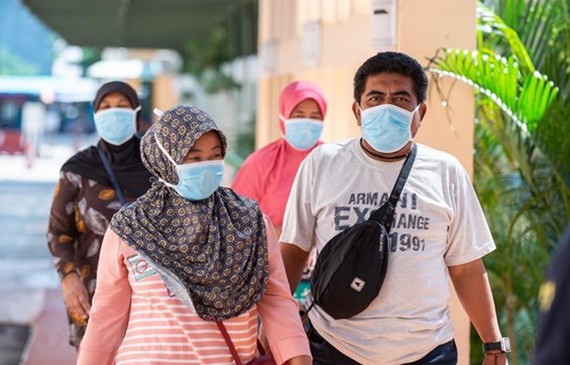
Malaysia has banned the entry of foreign nationals from high-risk countries, including the U.S. Some exceptions can be made for foreign travelers with long-term passes, but they will have to request approval from the Immigration Department first. These travelers will need to be PCR tested before their trip and must either quarantine or check in for their treatment immediately when they arrive

8th August 2021 – Malaysia approves home quarantine for fully-vaccinated residents and non-residents of Malaysia who have a home or second home in the country.
8th August 2021 – Interstate travel opens for fully-vaccinated citizens including spouses who live in different states and parents who wish to visit their child under 18 years old.

Open to international travellers: No. Malaysia is not currently open to international travellers except for those holding residency permits and anyone with official work contracts.
Visa on arrival: Not available.
Quarantine: Any new arrivals who meet the strict criteria must quarantine for 10-14 days in a government-designated facility or at home (as of new rules: 8th August 2021). You must have a negative COVID-19 test before you can leave quarantine.
Current internal travel restrictions: Inter-state travel across Malaysia is currently not allowed.
Face coverings: Masks are compulsory in all public places including shops, restaurants, cinemas, markets and restaurants.
Border crossings: Crossing the border into Thailand and Singapore is prohibited (Peninsular Malaysia) and crossing into Indonesia (Borneo) is also disallowed.

Myanmar

MYANMAR MILITARY COUP – As well as grappling with COVID-19, Myanmar is in the throes of a violent military coup. Most governments advise against all but essential travel to the country.

31st July 2021 – Myanmar extends travel suspension until at least 31st August.

Open to international travellers: No. All international flights to Myanmar and visas have been suspended until further notice. Business visas are available and are assessed on a case-by-case basis.
Visa on arrival: Not available.
Quarantine: Any new arrivals to Myanmar must quarantine for seven days in a government facility, followed by a further seven days in their home, private residence or hotel of their choice. A COVID-19 test must be taken on day seven before the traveller is allowed to leave the government facility.
Current internal travel restrictions: Travel restrictions vary from state to state. Some states have stay-at-home orders. To travel domestically you may have to take a COVID-19 test or quarantine upon arrival, especially if you are travelling from a region with a stay-at-home order
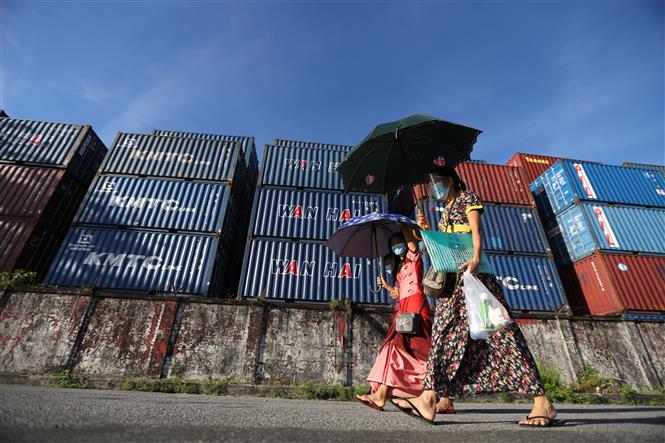
Face coverings: Masks are compulsory in all public places and those disobeying the rule will be fined.
Border crossings: The land border crossing into Thailand is closed.
The Philippines

8th August 2021 – The Philippines extends ban on travellers from Indonesia, Thailand, Malaysia India, Sri Lanka, Bangladesh, Pakistan, UAE and Oman.

6th August 2021 – Manila enters third lockdown. Citizens obly allowed to leave home for essential reasons.

1st July 2021 – The Philippines reduce quarantine from 14 days to 7 days for vaccinated travellers from ‘green countries’.

Open to international travellers: No. The Philippines is only open to returning Filipino nationals, parents, children or spouses of Filipino nationals and those with a valid residency or work permit.
Visa on arrival: Not available.
Requirements before departure: If you match the criteria above before departing to the Philippines you will have to obtain a negative COVID-19 test result within 72 hours of boarding the plane. You will need a valid visa and proof of payment of your quarantine facility.
Quarantine: 14 days. (10 of these must be in a designated government facility, 4 of these can be in your place of residence.) You will need to take a COVID-19 test on the 9th day before you are released from government quarantine.
Current internal travel restrictions: There are restrictions on travel and the opening of public places depending on the number of live COVID-19 cases in each city/barangay. There are three levels of restrictions: ECQ, MCQ and GCQ. See the full overview for more information.
Face coverings: Face masks must be worn in all indoor places and on public transport, including jeepneys and taxis.

Singapore 

11th July 2021 – The Singapore-Australia travel bubble has been delayed until the end of 2021.

Open to international travellers: Yes, with restrictions. Singapore is open to short term tourist visits from selected number of countries including Brunei, Mainland China, Taiwan, New Zealand and Vietnam. Visitors must secure an Air Travel Pass and take a PCR test when they arrive.
Visa on arrival: Not available.
Requirements before departure: You must apply for permission to enter Singapore to secure an Air Travel Pass and submit a mandatory online health declaration before you arrive. Travel insurance is compulsory and must cover COVID-19 hospitalisation and treatment to at least S$30,000.
Quarantine: Singapore has established some Safe Travel Lanes where visitors from certain countries may only have to do a reduced quarantine. Most travellers will be required to fulfil a two week quarantine in a SDF (Dedicated Facility). A number of hotels have been selected to house quarantining travellers. The Singapore quarantine hotel that you are assigned to is usually done by lottery, however, if you are happy to spend extra to reserve a suite, you can choose your accommodation from a preselected list (depending on availability).
Face coverings: Masks are obligatory in all public spaces in Singapore.
Current internal travel restrictions: Within the country, restrictions on crowds persist. There are caps on social gatherings and social distancing is still in place.
Border crossings: You must enter Singapore by air. Only emergency visits to Peninsular Malaysia are taking place using the land border.

Thailand
From July 1st 2021, the island of Phuket opened to vaccinated arrivals without the requirement of quarantine via the Phuket Sandbox scheme. The island of Koh Samui reopened quietly on 15th July 2021, and more destinations will follow later this year. Read more about Thailand’s reopening timeline here.

On 16th June 2021, Thai Prime Minister, Prayut Chan-o-chan, announced plans to “fully reopen Thailand within 120 days” to ease the suffering of the people.

Open to international travellers: Yes. Thailand is open to travellers from all over the world (apart from India).
Visa on arrival: Not available.
Requirements before departure: You must also apply for a COE (Certificate of Entry), have a negative COVID-19 test result within 72 hours of departure and have travel insurance with $100,000 US medical cover. If you are flying into Phuket, you must have proof of payment for your SHA+ Hotel. If you are not flying into Bangkok, you must have proof of payment for 14-day quarantine stay.
Quarantine: If you are not flying into Phuket and using the Phuket Sandbox Scheme, you must quarantine in a state quarantine facility or an alternative state quarantine hotel for 14 days upon arrival. (See list of quarantine hotels in Bangkok here.) You must undertake a further two COVID-19 tests in quarantine. Travellers who enter Thailand from 1st July via the Phuket Sandbox will have to stay on the island of Phuket for 14 days, but will not have to self isolate.
Face coverings: Masks are obligatory in all indoor and outdoor public spaces in Thailand.
Current internal travel restrictions: Within the country, restrictions on movement and social activity persist. Many hotels, public businesses and tourist attractions have been forced to close due to lack of custom.
Border crossings: You must enter Thailand by air. Once in the country, you are not allowed to cross the border into Cambodia, Laos, Myanmar or Malaysia.
Vietnam

The government has suspended entry indefinitely to all foreigners, with an extremely limited number of exceptions. Movement is heavily restricted and health checkpoints have been set up throughout the country. Those who are allowed to enter will have to present a negative test result and will be subject to more testing and a mandatory quarantine at their own expense when they arrive.

Open to international travellers: No. Since 22nd March 2020, it has not been possible for any foreign national to travel to Vietnam. There are exceptions for Vietnamese repatriates, certain skilled workers, foreign investors and others with official business in the country. The granting of visas is assessed on a case-by-case basis.
Visa on arrival: Not available.
Quarantine: Any new arrivals in Vietnam (that meet the strict criteria above) must quarantine for a minimum of 14 days. (Recently extended to 21 days.)
Current internal travel restrictions: Regulations vary in each province. Within the country, travel restrictions between provinces, local curfews and regional lockdowns persist. Many hotels, public businesses and tourist attractions have been forced to close due to lack of custom.
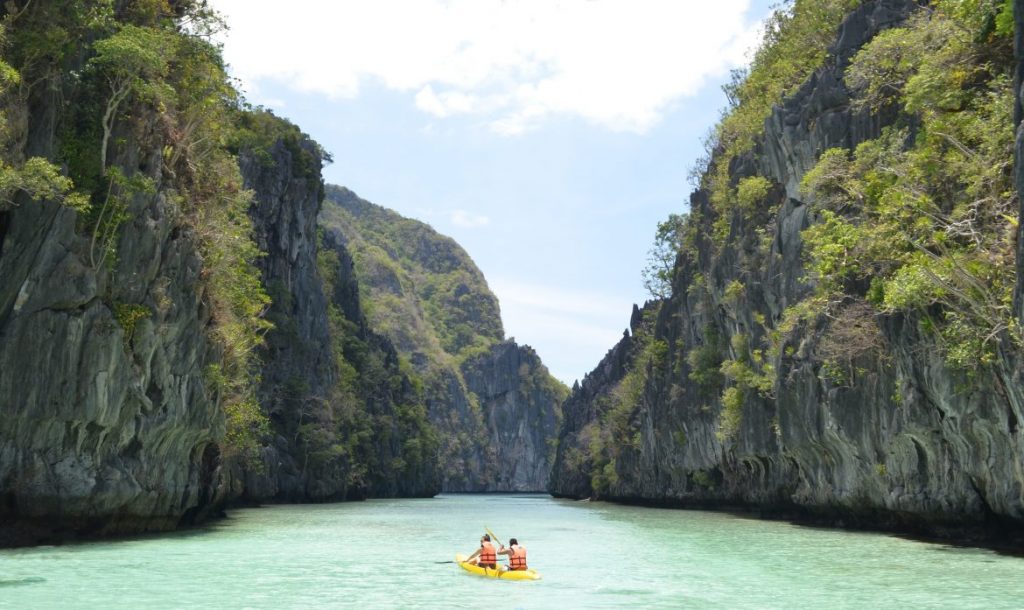
Face coverings: Masks are compulsory in all public places in Vietnam and those not adhering to the rule can be fined.
Border crossings: All land borders into Vietnam are closed.

The post COVID-19 Travel Restrictions in Southeast Asia appeared first on Luxury Travel's Blog.