Thứ Ba, 13 tháng 7, 2021

Southeast Asia Travel News | Update 14th July

Southeast Asia Travel News | Update 14th July

Koh Samui’s tourism hopes pinned on international travellers | Thailand

Thailand’s island-focused international travel reopening plan is set to roll out in Koh Samui on July 15.
Read more

Langkawi eyed as a launchpad for Malaysia’s tourism comeback | Malaysia
Langkawi is planning to reopen its doors to foreign travellers soon. They have promoted as a Covid-free destination, under a pilot project by the Ministry of Tourism, Arts and Culture Malaysia (MOTAC) to kickstart the country’s tourism recovery.
Read more

British travel magazine names Phu Yen hotel among world’s best | Vietnam
Condé Nast Traveler has listed Zannier Hotels Bai San Ho in Phu Yen Province among the world’s 69 best new hotels in 2021.
Read more

DOT-7 to launch new diving site in southwest Cebu town
The Department of Tourism in Central Visayas (DOT-7) is launching a new diving destination in the town of Aloguinsan in southwestern Cebu.
Read more
Laos to Develop Sustainable Tourism Sites in Champasack | Laos
The government plans to develop the Dong Hua Sao National Bio-Diversity Conservation Area and the Xe Pian National Bio-Diversity Conservation Area in Champasack provinces as ecotourism sites as part of efforts to promote sustainable tourism.
Read more


The post Southeast Asia Travel News | Update 14th July appeared first on Luxury Travel's Blog.

Trends shaping Tourism After Covid-19

In this fickle world where everything constantly shifts from time to time, no industry remains the same without trends and innovations. The tourism industry is no exception. New travel trends are involving and appearing every day. Have you ever wondered how the new travel trends will be like once the Covid-19 is gone? If you want to know the top 7 new tourism trends:

1. Destination Trends:
Due to fears that the epidemic will affect their trips, tourists will choose open destinations declared as “green zones” for Covid-19, with a commitment to “air travel”. The so-called “tourist bubble” is a new concept of a safe, controlled form of travel conducted between two certain destinations. In addition, resorts with certificates of safety measures against Covid-19 will bring confidence to tourists. A planned travel bubble between Singapore and Australia is “more likely to happen” towards the end of 2021, said Australian Minister for Trade, Tourism and Investment Dan Tehan. Several months ago, Some countries in Southeast Asia also discussed the travel bubble in the area.

2. Planning and Booking Trends
European travelers often planned their trip and booked services long before their departure. However, in times of uncertainty, shorter booking timeframes will help mitigate the risk of travel policy changes and mobility restrictions. They tend to wait until the last minute to book accommodation, as they perceived it would be harder to cancel and get a refund for hotel bookings than flight tickets. To adapt to the “shorter timeframes” trend, tourism enterprises have changed booking terms and conditions towards flexibility. With rapidly changing travel policies and regulations, allowing travelers to change hotel reservations or flight tickets at no extra charge seems the only way to give travelers a nudge to book confidently.

In times of disruption and uncertainty, travelers are in dire need of an invaluable source of information to keep informed of the latest coronavirus news. Covid-19 underlines the critical role of travel agents, they not only sell tours and events like before but also have fountains of knowledge and information. Travel agents respond to all requirements since they offer travel advice, implement the best flight plans, provide the latest news on health and safety standards, and help tourists cancel and get a refund for flight tickets and hotel bookings.

3. Transportation & Accommodations Trends:

Travellers prefer private transportation without sharing with others. If they can choose, they will move around by car/train instead of taking a flight.

– Guests tend to choose separate resorts which are far from the center or hideaway hotel lists. The reason is that they want to have their own time to take a rest and relax with their family
– The young travellers trend to choose hotels which are equipped with contact restriction to avoid socializing with others during the epidemic.
– The hotels/ resorts need to ensure the protection standards such as cleaning, disinfection, designing private places for serving eating or distance socialize for travellers.
– Customers tend to want to stay longer at the place of stay because of the spread of disease and the services at the accommodation also need to be diversified. Each property can also be viewed as a destination for guests to explore.

4. Slow Travel Trends:
Slow travel could become the next big tourism trend, according to data and analytics company GlobalData. This is due to a combination of pent-up demand for immersive travel experiences with no set time limit, and tourists opting for longer stays due to many being able to work remotely.

Slow travel refers to when travellers spend longer in a destination, prioritising connecting with local people, culture, food, and music. According to GlobalData, this makes slower travel more sustainable for the environment and more profitable for local communities.

5. Nature and Wellness Activities Trends:

In the viral age, the quest for improved health and immunity will be a powerful motivation for tourists globally, who will be seeking out places that boost their wellbeing. The travellers tend to need their holidays which combine the natural and healthy activities. Instead of traditional sightseeing tours, they prefer soft adventure activities to explore nature such as cycling, trekking through the tropical forests, diving in the sea. Southeast Asia is known well for the most breathtaking scenery, beaches and islands. It will be an ideal destination for designing any outdoor activities in nature. Besides physical activities, travellers also need programs that help them to recover their mental health. Therefore, wellness and retreat programs are a growing trend in tourism in the future. The hideaway resorts specialize in organizing wellness and retreat activities always attract travellers.  The travellers tend to seek “the off beaten track”  places to discover.

6. Size of Travellers:

Solo travel will become a new normal in the next couple of years. While some people are still enjoying going with a big group with friends or family, some are choosing to be on their own. Besides, due to the new social practice that tells people to avoid the crowd, it is no surprise to see more and more people enjoy some lone times. If travellers go following the group, the size of the group will be small from 2 to 4 people.

7. Responsible Travel:
According to the International Ecotourism Society, ecotourism is “responsible travel to natural areas that conserves the environment, sustains the well-being of the local people and involves education”. It takes many forms and has been a type of travel that has grown in popularity over the past decade.
In the wake of the pandemic, people will be thinking far more carefully about the way they travel and seeking out hotels and companies that are doing everything they can to minimise their impact on the planet. We can also expect accreditation to gain prominence, as consumers look for reassurance from legitimate “eco-tourism” and “carbon negative” certifications.


The post Trends shaping Tourism After Covid-19 appeared first on Luxury Travel's Blog.

Thứ Hai, 12 tháng 7, 2021

The Best Places to Visit in July in Southeast Asia

The Best Places to Visit in July in Southeast Asia

July and August bring the summer holidays for everyone. Most places in Southeast Asia are hot and wet during summer unless you head to milder climates at higher elevations. Urban heat in big capital cities can become oppressive. July – This is a good month for taking advantage of the monsoon season’s lower prices with less crowd of tourists. If you want to get away from the heat and crowds in popular European holiday destinations, you may spend the Summer in Southeast Asia. Here are some recommendations for places to visit in July in Southeast Asia.

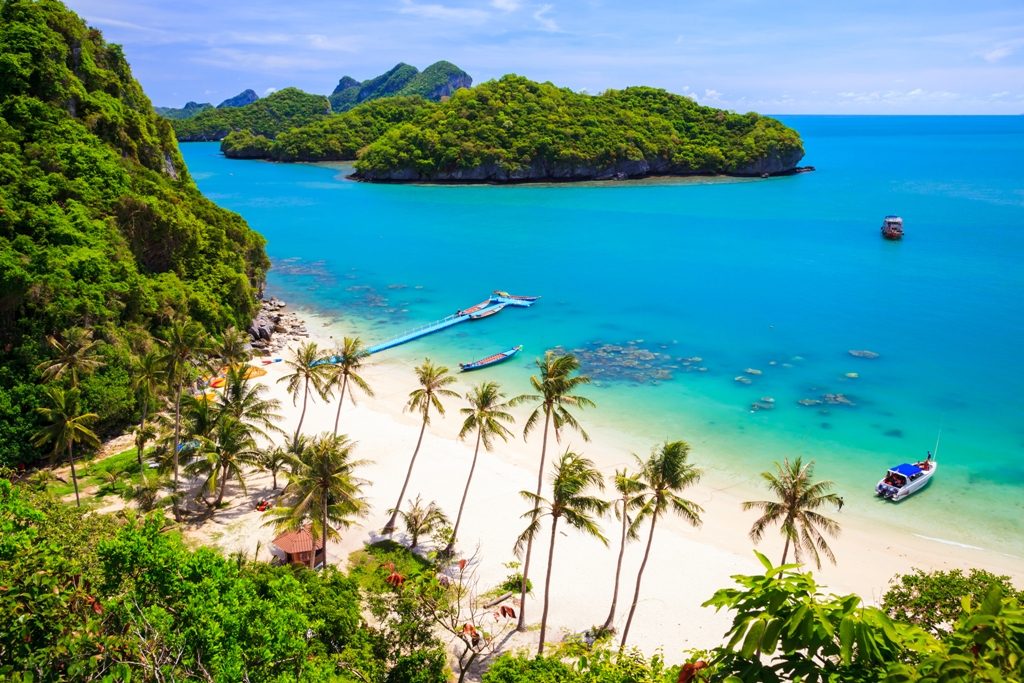
1. Koh Samui Archipelago, Thailand

While it is the rainy season throughout a lot of Thailand during July, there is a slice of paradise off the East Coast where you can enjoy sunny days in July. This is the Koh Samui Archipelago and it consists of Koh Samui, Koh Phangan and Koh Tao.

By travelling to Koh Samui, Koh Phangan and Koh Tao in July, you can get wonderfully sunny days as well as cheaper accommodation prices.

There are plenty of things to do on these islands such as the ever-popular Full Moon party held each month in Koh Phangan. This massive event is super popular with backpackers in Thailand. I am not so much of a partier so instead, I hired a scooter to find the top beaches in Koh Phangan. Though, if you love discovering life underwater Koh Tao provides plenty of opportunities for snorkelling, diving and free diving.

Either way, the gorgeous Koh Samui Archipelago in Thailand has some impressive islands with plenty of things to keep you busy. So, if you are looking for where to go on holiday in July and looking for a cheap holiday destination in July, I highly recommend either Koh Tao, Koh Phangan or Koh Samui.

2. Sapa | Vietnam

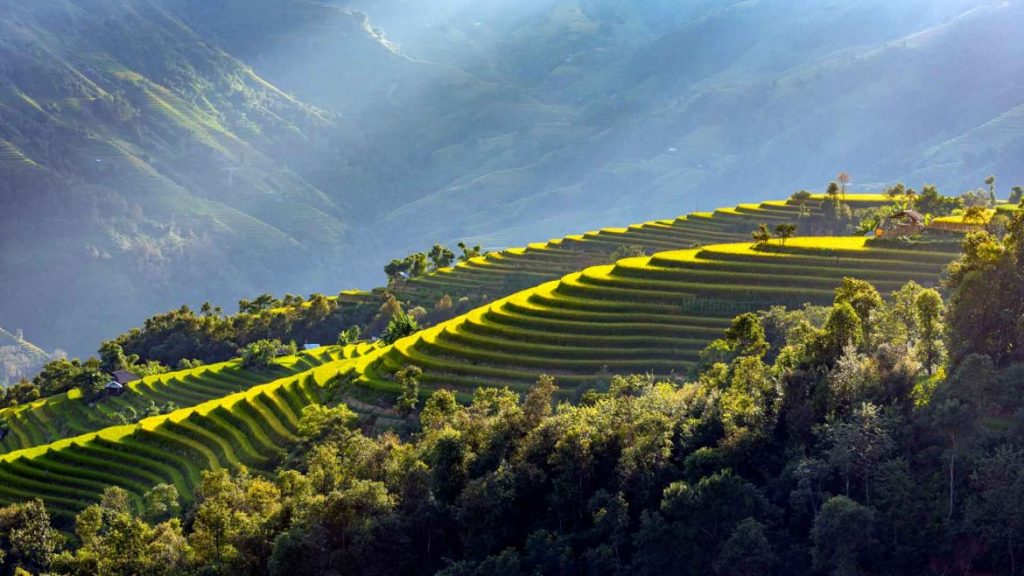
The summer months are the perfect time to visit Sapa in Northern Vietnam. Sapa’s elevation high up in the Hoàng Liên Son Mountain Range keeps it nice and cool during the summer months, which is rare in Southeast Asia. Due to its unique climate and location, this region only gets one rice crop per year and the terraces are bright green and full of life in July & August. The extensive rice terraces that cover the tall hills and mountains are a photographers dream!

Hikers too will love trekking through the lush paddies, however, you should bring some gear that can withstand a few raindrops. Even though the temperatures are pleasant it does rain more than in the winter months. One of the best ways to experience Sapa, Vietnam is to hike to and sleep in a local village in a homestay with a Hmong family to get a glimpse into local life here. A trip here in the summer is one you won’t soon forget.

Source: Luxury Travel Vietnam

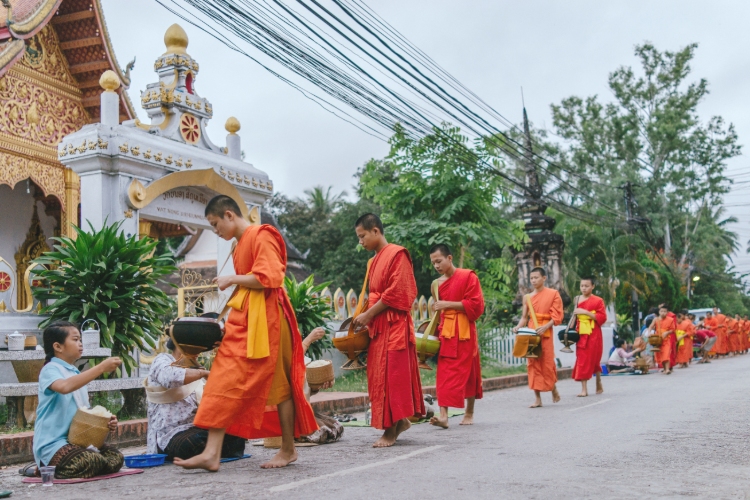
3.  Vientiane and Luangprabang | Laos

While Vientiane, the capital city of Laos, in general, is a laidback city, without the chaos of the other Southeast Asian Cities. In July and August, the crowds are much less on the streets of Vientiane. The weather isn’t that bad during these months with the low season bringing a little more rainfall and the rise of humidity. Therefore, if you want to go to a major city in Asia without chaos, no significant high-rise buildings and plenty of cultural attractions to visit. Surely that’s reason enough to put Vientiane on the list when organising your holidays in Asia during the Summer.

In addition to Vientiane, Luang Prabang and Vang Vieng are also good places to visit in Laos in the Summer. Here you can explore the beautiful culture and nature of Laos.

Vientiane, Laos

Source: Luxury Travel

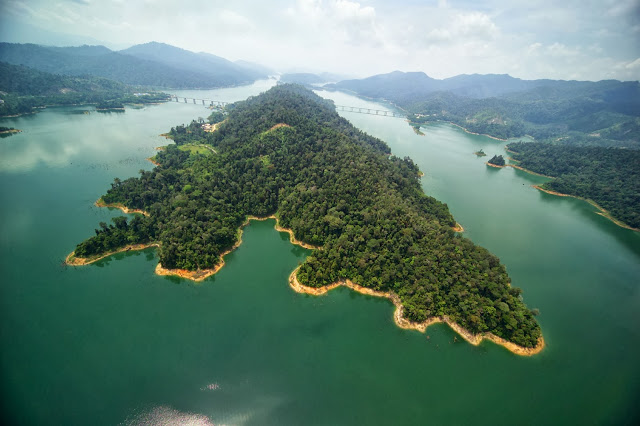
4. The Royal Belum| Malaysia

Located in the state of Perak in Malaysia. This is one of the oldest rainforests in the world. It’s the perfect place to see tropical plants and wildlife, including monkeys, elephants, wild boards, cobras. Although chances are slim, you may get a glimpse of Malaysian tigers and threatened gigantic Rafflesia! Another reason we recommend Belum is that unlike other National parks in Malaysia, it remains largely unknown to tourists. Not to worry though, there are a number of decent resorts nearby the state park to stay in and most resorts offer tour packages that include accommodation, breakfast and excursion. July is the coldest and driest month in Perak. it suitable for many types of activities such as river cruises, trekking, visiting the local tribe or bamboo rafting, fishing.

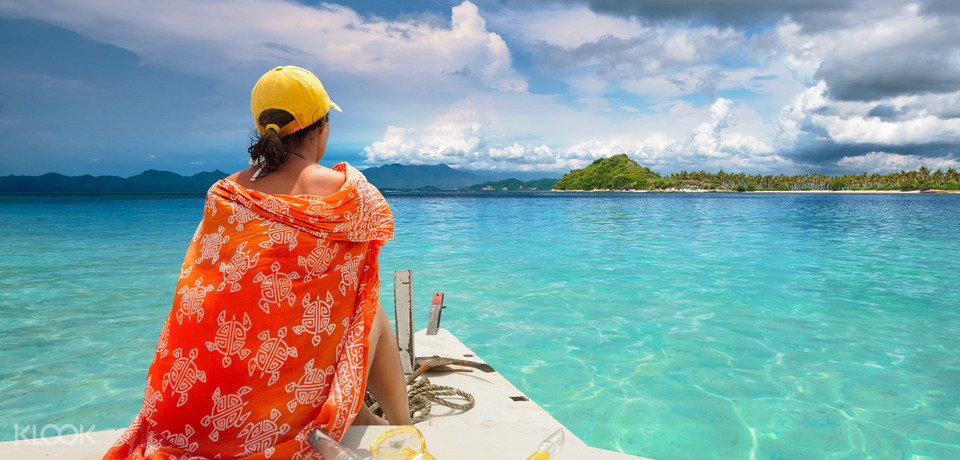
5. Gili Islands | Indonesia

The Gili Islands in Indonesia are idyllic year-round but for the best weather on the Gili Islands, I would recommend visiting in July as I did. The days are warm and sunny and perfect for relaxing on the beach or snorkelling. The Gili Islands are a small group of islands in the northwest of the Indonesian island of Lombok. The archipelago consists of the three sister islands Gili Meno, Gili Air and Gili Trawangan.


The post The Best Places to Visit in July in Southeast Asia appeared first on Luxury Travel's Blog.

Covid-19 in Southeast Asia | Update 9th July

COVID-19 Tightens Its Grip on Southeast Asia

At least half of the region’s 11 nations have seen record daily infection counts over the past week.
Pandemic records continue to tumble in Southeast Asia, as the region’s governments struggle to control a region-wide surge of COVID-19 infections that is scrambling well-laid reopening plans and pushing health systems to the verge of a breakdown.
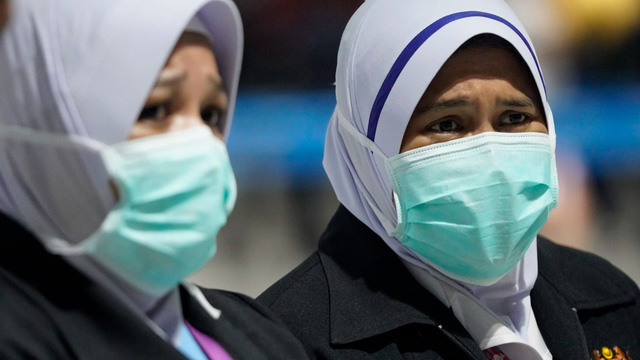
Despite surviving the first year of the pandemic relatively unscathed, the region has been slammed by the more contagious delta variant of COVID-19 and hampered by ineffective administration and sluggish vaccine rollouts.

Over the past week, most of the region’s nations have announced record highs for coronavirus infections, deaths, or both.

Indonesia, the region’s largest country and its worst hit by COVID-19, has seen near-daily increases in the number of infections. It reported a new record of 38,391 cases yesterday, six times the number a month earlier, pushing its totals to nearly 2.4 million since the beginning of the pandemic. It has also seen almost 63,000 fatalities. Both are the highest figures in Southeast Asia.

The runaway outbreak has battered Indonesia’s health system, with hospitals on the densely populated island of Java straining and oxygen supplies running short. According to Reuters, four of five designated COVID-19 burial grounds in the capital Jakarta are close to full.

A record of 9,170 cases was also reported today in Malaysia, where the worsening COVID-19 infection rate – the worst in Southeast Asia in per capita terms – has now become a threat to the stability of the Prime Minister Muhyiddin Yassin’s government. A key ally withdrew its support on Wednesday evening; among its main reasons was the government’s mishandling of the pandemic. The country’s looming public health and economic crisis are in danger of being compounded by a new iteration of the political crisis that has surrounded Muhyiddin’s administration for the past year.

In neighbouring Thailand, today brought a further record of 9,276 cases, following another record of 7,058 yesterday, prompting the government’s Center for COVID-19 Situation Administration to impose further restrictions for a period of 14 days, including a night-time curfew, travel restrictions in Bangkok, and other restrictions in designated “red zones.”

Prime Minister Prayut Chan-o-cha also announced that he would not take a salary for the next three months, intending to donate the resulting $11,500 to COVID-19 relief efforts – a decision that, given the former general’s considerable wealth, prompted much anger and mockery on social media.

In Vietnam, Ho Chi Minh City will go into lockdown for 15 days from midnight Thursday to head off its own outbreak. While the country’s infection rates remain modest in regional terms, Reuters noted that the country has seen more cases in the past three days than during the first 13 months of the pandemic. In recent, the number of new cases in Vietnam has increased by more than 1,000 new cases per day.

Crisis-hit Myanmar also saw more than 4,000 new cases for the first time yesterday – a figure that is probably much higher given the drop in testing efforts by the country’s military junta. While Cambodia has recorded its highest number of cases and deaths over the past two weeks.

This dire picture represents a turnabout from last year when many Southeast Asian nations were leading the world in the containment of COVID-19. Perhaps lured into an illusory state of complacency by its initial successes, the region is now as far from a return to normalcy as any region of the world.

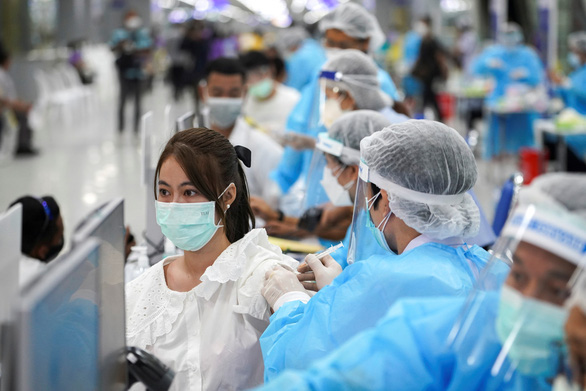
Vaccination rates remain low, with 5.3 per cent of Indonesia’s population fully inoculated, 4.5 percent of Thailand’s, and 2.7 percent of people in the Philippines. Malaysia has done slightly better – it has fully vaccinated 9.6 percent of its 32 million people – while Cambodia has inoculated just over a fifth. (These statistics come care of the handy Our World In Data COVID-19 vaccine tracker.). Vietnam plans to have 8-10 million more doses of Covid-19 vaccine this July. About 19,000 injection sites will be mobilized to ensure speed for the largest Covid-19 vaccine campaign in history.
Southeast Asia’s sorry situation was reflected in the findings of the Nikkei COVID-19 Recovery Index, released earlier this week, which ranked 120 nations for their achievements in infection management, vaccination rollouts, and mobility.

Thailand came in at 118th position out of 120 countries, just ahead of Malaysia (114th), Indonesia (110th), the Philippines (108th), Vietnam and Cambodia (tying at 100th), and far astray of Laos (66th). The region’s outstanding performer was Singapore (12th), where nearly 38 percent of the population has now been fully vaccinated.

The frightening thing about the current situation is that there is little sign of immediate relief, given the increased contagiousness of new COVID-19 variants, continuing shortages of the most effective vaccines, and a combination of complacent leadership and distribution bottlenecks.

The heady days of late 2020, when pundits were puzzling over the low caseloads in countries like Thailand and Cambodia, now appear very far off. Absent another equally dramatic turnaround, Southeast Asia and its people stand on the verge of tragedy.

Southeast Asia Tracker      


 Source: csis.org. Update July 12

The post Covid-19 in Southeast Asia | Update 9th July appeared first on Luxury Travel's Blog.

Southeast Asia Travel News | update July 12

Southeast Asia Travel News | update July 12
New tourism development potential revealed through geological heritage study | Vietnam
The central province of Thừa Thiên-Huế should move toward combining ecotourism and geotourism to boost the local economy, specialists have suggested via a recent study on geological heritage in the region.
Read more

Vietnam Airlines pilots digital health passport | Vietnam
The national flag carrier Vietnam Airlines hopes that if the trial of “Digital health passport” is implemented successfully, the Government will consider and recognize this solution, towards promoting the resumption of international routes.
Read more

Numbers of COVID-19 cases still on the rise in Southeast Asia| Southeast Asia
Several countries in Southeast Asia continued to witness new records in the numbers of new COVID-19 cases and related deaths on July 10.
Read more

Boracay: Next stop for cyclists | Philippines
Boracay Island has rebranded as a sustainable destination and the next haven for cyclists.
Read more

All Thai AirAsia July flights cancelled; airlines cope with lockdown | Thailand
In light of Bangkok’s new Covid-19 lockdown measures, Thai AirAsia has cancelled all their domestic flights in Thailand, while Bangkok Airways, Nok Air, Thai Smile, and Vietjet have introduced emergency measures for flight rescheduling.
Read more

The post Southeast Asia Travel News | update July 12 appeared first on Luxury Travel's Blog.
Thứ Sáu, 9 tháng 7, 2021

Is it worthy travelling to Southeast Asia during monsoon?

Is it worthy travelling to Southeast Asia during the monsoon?

Traveling to Southeast Asia in the monsoon season (roughly from June to October) may not sound like an appealing idea at first thought. But before you put off or cancel your trip, we are here to tell you that a trip to Southeast Asia during the monsoon is actually worth doing. Here is why.

1. The weather is great – most of the time.
Just because it’s rainy season doesn’t mean it rains all day and each day. And when the rains come, they often come in short downpours. The rest of the day is still warm and sunny. You will get blue skies too!

2. The temperature is cooler.
Most parts of Southeast Asia experience hot temperatures that can reach up to 40 Celsius degrees from March to May. When the monsoon season arrives, the moist air from the ocean can bring down the temperature to 28-33 degrees. This can be cooling relief for both locals and travellers.

3. There are fewer tourists;
Hotel rates are lower and you probably don’t need to prebook.
The monsoon season in Southeast Asia coincides with the low season in Southeast Asia, so you will see fewer tourists and enjoy lower hotel rates. Many hotels will drop their prices to attract the few tourists that are out there. Shorter queues, lower prices and more freedom can make you forget about the few rainclouds you encounter.

4. The landscapes are more scenic!
The best thing about monsoon season is that the landscapes are more scenic! The jungles, forests, and rice paddies are astonishingly green and the waterfalls are at their most spectacular.

5. Dramatic sunrises, sunsets, and rainbows.
The monsoon season in Southeast Asia is a showcase of dramatic weather patterns – the sunrises, sunsets, and rainbows that arrive after thunderstorms can be some of the most dramatic ones you have ever seen.

6. The perfect time to slow down and relax.
The monsoon rains will cool the air down enough for a great night’s sleep, especially if it pours at night or late evenings. And when it does rain, it is the perfect time to slow down, relax and take it easy for a little while.

Travel Tips
1. Find a tour operator that is flexible.

Remember, this is the monsoon season – cruise ships, buses, and planes can be cancelled without further notice. It is recommended to find a tour operator that is flexible and willing to make adjustment timely so that you can make the most of your time in SE Asia.

2. Bring plenty of mosquito repellent.

Deet should be carried to repel mosquitoes. If you are a first-timer to Southeast Asia, here are more travel tips to read regardless of the season.

3. Wear light clothing.

The weather can be hot and humid, so wear light and loose clothing to keep you cool as well as to help you dry off quickly after a downpour.

Don’t let the monsoon put you off – its benefits far outweigh the disadvantages. Now write to for a tailor-made trip to Southeast Asia and give us a social share!

The post Is it worthy travelling to Southeast Asia during monsoon? appeared first on Luxury Travel's Blog.
Thứ Năm, 8 tháng 7, 2021

Southeast Asia Travel News | update 9th July

Southeast Asia Travel News | update 9th July

Cambodia completes COVID-19 vaccination drive in capital, with 2.12 mln inoculated | Cambodia

Cambodia on Thursday wrapped up its COVID-19 vaccination drive in Phnom Penh after 2.12 million people, or 99 per cent of the capital’s adult population, have completed the two-dose inoculation, officials said.
Read more

Hoi An bike tour among world’s 20 best: Tripadvisor | Vietnam
A bike tour around the ancient town of Hoi An ranked ninth among the world’s 20 best biking experiences as voted by Tripadvisor readers.
Read more

HCMC-Phu Quoc flights suspended on Covid fears | Vietnam

The Ministry of Transport has suspended all flights between HCMC and popular tourist destination Phu Quoc Island from Thursday amid the continuing Covid-19 crisis in the city.
Read more

SHA certification expanding to also cover Phuket transportation | Thailand
The Tourism Authority of Thailand (TAT) is pleased to announce to expand transportation providers in Phuket.
Read more

New vaccine appointment method for foreigners in Thailand | Thailand

Thailand’s Department of Disease Control (DDC), Ministry of Public Health has announced a new vaccine appointment method for foreigners in Thailand.
Read more

The post Southeast Asia Travel News | update 9th July appeared first on Luxury Travel's Blog.